Water is an almost dull chemical substance, which is the principle constituent of Earth’s streams, lakes, and seas. water is the liquid of most living creatures. It is fundamental for every single known type of life, even though it gives no calories. Almost 71 percent of the Earth’s surface is covered with water and Seas hold more that 90 percent of all Earth’s water. Water also exists is form water vapor, in waterways and lakes, in icecaps and ice sheets. The most water present on earth is not directly consumable because there is high amount of salt in water and only 2.5 percent of water present on earth is fresh water, but there is just 0.3 percent of water that is in liquid form. All other remaining percent of fresh water is in form of glaciers, ice caps and ice sheets etcetera.
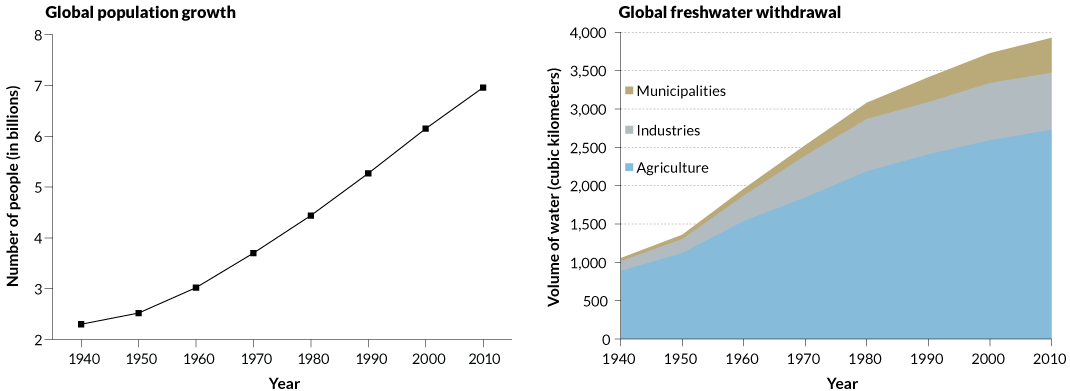
Water is the necessity of all most every living being but the people on earth are facing lot of problems to having access to fresh water. In every 1 out of 9 people on earth don’t have access to fresh water. By looking at the surveys and reports in 2050 around 4.5 billion people will live with just limited access to water. Down below is an image of showing increase in population and increase in consumption of water.
https://www.sciencenews.org/article/future-will-people-have-enough-water-live
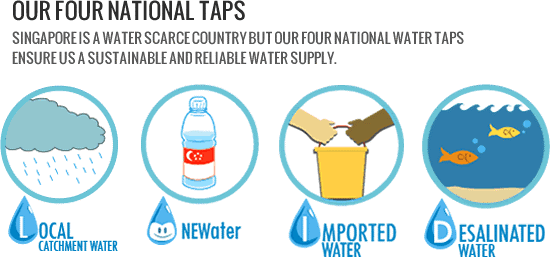
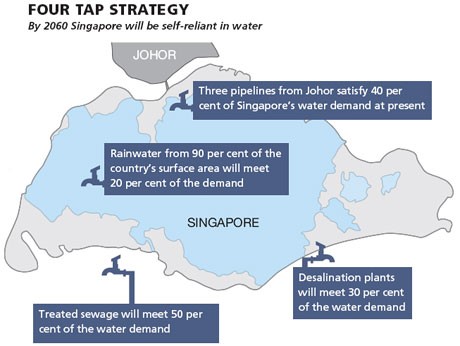
Singapore is the first nation to start water management projects. Singapore is a densely populated island which had problem of lacking fresh water to use but the Public Utilities Agency (PUB) there came up with ideas and started many projects to save water. They start to use unorthodox sources of rainwater collection that is the main source of water for more than half of the city. They start using recycled water and they also use desalination process to get more fresh water supply. Desalination is a process of removing salt from water to make it usable for living beings. The Public Utilities Agency came up with idea to took charge of drainage system and developed another system for reusing wastewater by using four-arrange treatment process. In this process they use some good UV treatment technologies that make water like brand new and sent that water to city for drinking purposes.
https://wwf.panda.org/?204587/Singapore
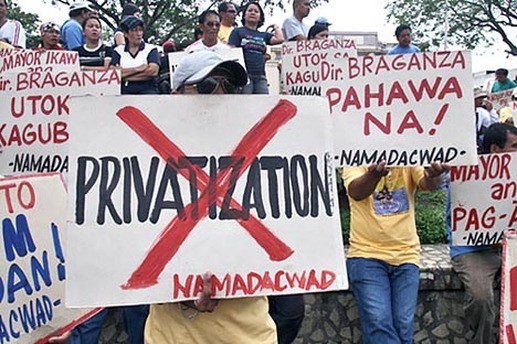
There are many other revenues who tried to save water, but they use the unfair methods that were against the human rights for example world bank made a deal with Bolivian government to gave Bolivian government loan only on a condition if they will privatize water. Bolivian government don’t have any other options, so they signed a deal in July 1997. The general population of Bolivia did not privatize their open water systems. That decision was constrained on them, as it has been in numerous poor countries around the globe, when the World Bank made privatization an express state of help in the mid-1990s.Poor nations, for example, Bolivia, which depend vigorously on outside help for survival, are not in a lot of a situation to state no to such weights. In 2000 Aguas del Tunari, a private company owned by London-based Water Ltd., took over the city’s water system and doubled the bills of water for Bolivia people. This was the time when a protest broke again the water company, local people of Bolivia saw a hike in their water bills as almost triple the time. The protestors were protesting peacefully when the president of the country at that time order police to use tear gas and that started a violence scene. 2 people lost their eyes because of tear gas over 175 people were injured in this violence. After seeing all these things, the city government consented to take a seat with their protester representatives. Finally, on April 10, President Banzer terminated the water contract between Bolivia and Aguas del Tunari. Banzer turned over control of the city’s water system, including its $35 million debt, to the protesters’ organization la Coordinadora de Defensa del Agua y la Vida (Coalition for the Defense of Water and Life), led by Olivera. There were many people from across the worlds thinks selling water for price is against human rights because water is a natural resource no body owns it.
https://economicsofwater.weebly.com/case-study-bolivia.html
Click to access bolivia_pdf.pdf
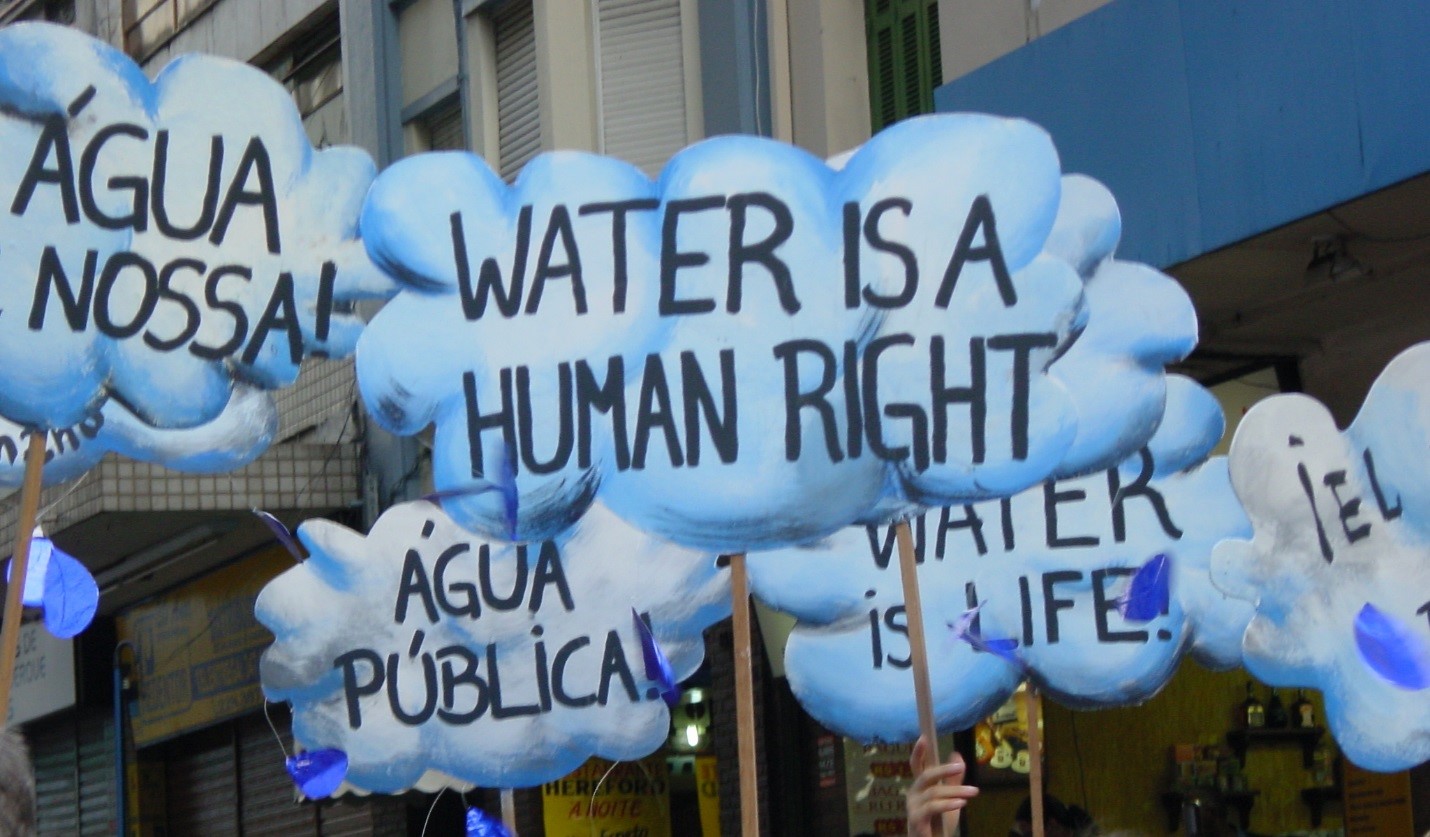
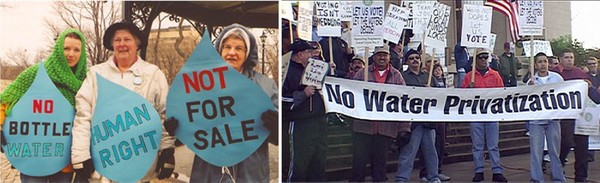
Issues with Water Privatization
Loss of Control
- Privatization is flighty. By privatizing water and sewer frameworks, nearby government authorities abandon command over a fundamental open asset.
- Privatization limits open responsibility. Worldwide water enterprises are principally responsible to their investors, not to the general population they serve.
Loss of public input
- Since water administration is a characteristic restraining infrastructure that comes up short on a genuine market, buyers can practice decision just at the polling booth through the race of the open authorities who direct their utility. They don’t have a vote in the corporate meeting room. With open possession, inhabitants can visit their chosen authorities and legitimately express their assessments about the activity of their water frameworks. On the off chance that the authorities neglect to react, the network can cast a ballot them out of office. The open needs comparative instruments to address their worries with private utilities and designated state controllers and long-haul complex contracts can tie the hands of nearby governments.
Loss of transparency
- Private administrators often limit community to data and don’t have a similar dimension of receptiveness as the open area.
The targets of a benefit removing water organization can struggle with the open interest. Because a water partnership has unexpected objectives in comparison to a city does, it will settle on its choices utilizing an alternate arrangement of criteria, frequently one that underlines gainfulness. This can make strife.
- Cherry picking administration regions
Private water organizations are probably not going to embrace indistinguishable criteria from districts when choosing where to expand administrations. They are inclined to filtering out administration territories to abstain from serving low-pay networks where low water use and regular bill gathering issues could hurt corporate benefits.
- Undermining the human ideal of water.
Because of value climbs, administration disengagements, lacking venture and other impending monetary results, water privatization regularly meddles with the human ideal to water.
However, water privatization is completely against the morality of our society. Access to water was never a problem since clean water ratio start decreasing day by day on our planet earth. Water privatization is not a solution to attain the problem of access of clean water. Human beings need to take proper management of their wastes as all the industrial a household wastes are among the top pollutants of clean water. Whereas, water is not someone’s property so nobody can private the water recourses and sell it to make money. Water privation should be completely banned, and we should also stop buying bottled water in order to stop big water privation companies from doing this kind of business.
Work Cited
https://enveconunca.wordpress.com/2013/04/24/water-privatization-an-economic-solution-or-disaster/
https://economicsofwater.weebly.com/case-study-bolivia.html
Click to access bolivia_pdf.pdf
https://wwf.panda.org/?204587/Singapore
https://www.sciencenews.org/article/future-will-people-have-enough-water-live
https://www.foodandwaterwatch.org/insight/water-privatization-facts-and-figures
 Water : Essential for Human being's Survival